Need sewer line repair in Raleigh?
Water where it should not be? Request a callback or send a short note and we will match you with a provider who serves your street.
No obligation
Talk to a sewer line provider
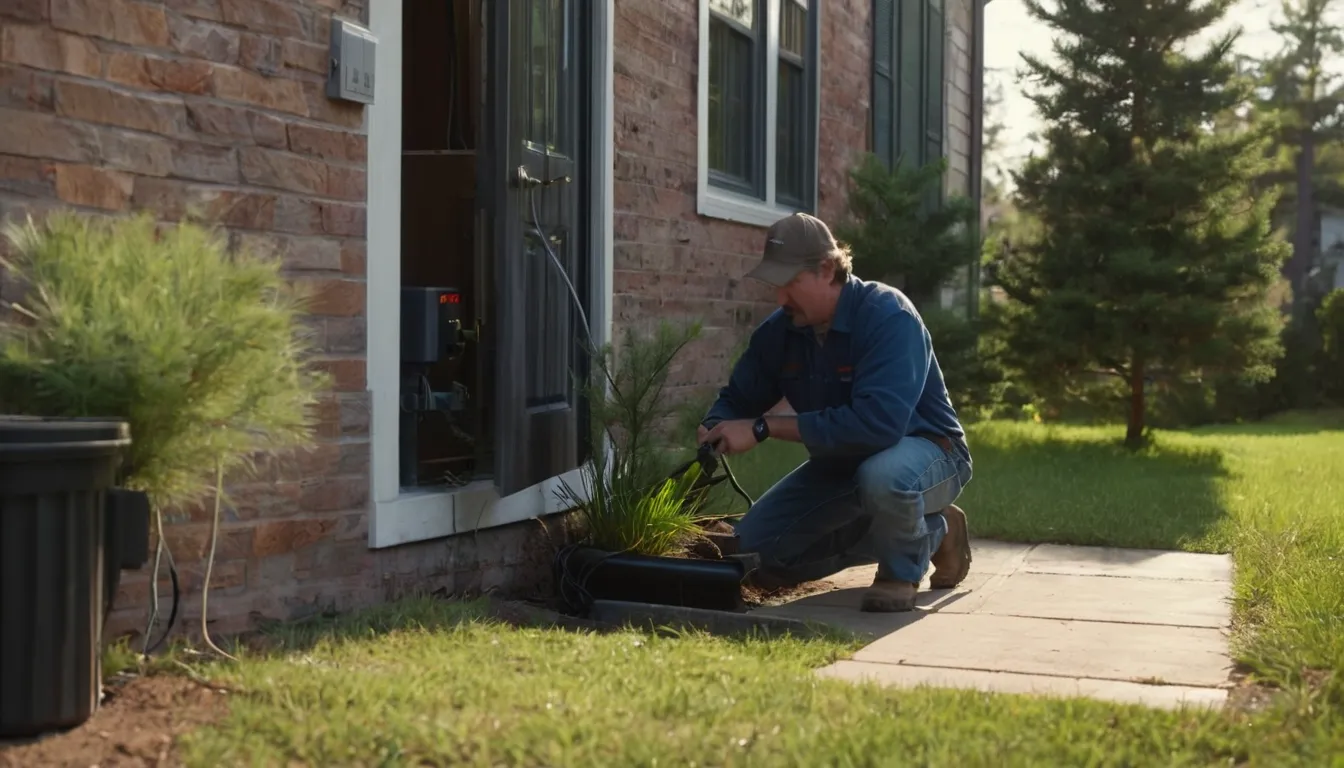
Your sewer line is the pipe that carries everything from your drains out to the city main or septic system. In older homes, that line may be clay, cast iron or an early type of fiber pipe. Each of those wears out in its own way, and tree roots can find any crack.
Carolinapage Plumbing connects you with an independent provider in the Raleigh area who handles sewer line inspections and repairs. The provider can run a camera through the line, show you what is going on, and explain your options with a written price. We do not do the work ourselves, and you are never required to hire anyone.
Say you run the washing machine and dirty water bubbles up in the basement floor drain. Or you flush a toilet and the tub fills with something you would rather not see. That usually means the main line is blocked.
Then reach out for help.
Request a callback to check which providers can look at your sewer line.
Some signs show up slowly:
One slow sink is usually a local clog. Many slow drains together usually point to the main line.
Clay pipe was common for decades. It lasts a long time, but its joints can shift and open up, and roots grow right in. Cast iron rusts and scales on the inside until the flow narrows. Some homes built in the middle of the last century used a fiber pipe that can sag or flatten. Ground movement, heavy rain and old repairs all add strain.
Most providers start with a camera inspection. A small camera on a cable goes into a cleanout and shows the inside of the pipe on a screen. You can watch along. The provider looks for roots, breaks, sags and spots where the pipe has separated. They may also locate the line from above so they know how deep it is and where it runs.
The right repair depends on what the camera finds.
If roots or buildup cause the blockage and the pipe is still sound, the provider may clear it with a cutting tool or water jetting. This often buys time, but roots can return.
A single broken section can be dug up and replaced.
A liner can be pulled into the old pipe and hardened in place, creating a new pipe inside the old one. This avoids digging up the whole yard where the pipe is a good candidate.
When the line is badly broken or collapsed, replacing it may be the only lasting fix.
Sewer work often needs a permit. The provider usually pulls it. The part of the line you are responsible for typically runs from the house to the property line or the city connection. Ask the provider where your part ends and the city part begins.
Request a callback to talk about your sewer line with a local provider.
A camera goes into the line to find roots, cracks, sags and breaks you can see on screen.
Roots and buildup cut out of the pipe to restore flow.
Broken sections replaced, or the whole line when it is too far gone.
Lining or bursting methods that can spare your yard when the pipe allows it.
Costs depend on pipe depth, length, material, access and local permit fees. These are typical U.S. ranges. Ask for a written quote after the inspection.
| Job | Typical range | Notes |
|---|---|---|
| Sewer camera inspection | $150 to $500 | Sometimes credited toward repair |
| Main line clearing | $200 to $600 | Root cutting or jetting |
| Spot repair | $1,000 to $4,000 | One section dug and replaced |
| Trenchless lining | $80 to $250 per foot | Depends on pipe condition |
| Full line replacement | $3,000 to $15,000 | Depth and length drive the price |
| Cleanout installation | $500 to $2,000 | Makes future access easier |
Pause flushing and laundry so the backup does not grow.
Describe the backup and the age of your home.
A provider looks inside the line and shows you what is wrong.
Pick from options with written prices, or take time to think.
Camera footage lets you see the problem in your pipe before you decide anything.
Providers walk through clearing, spot repair, lining and replacement with prices for each.
Clay, cast iron and fiber pipes each fail differently, and providers know the signs.
Get the facts first and hire only if you are ready.
Water where it should not be? Request a callback or send a short note and we will match you with a provider who serves your street.
Slow drains, gurgling and backups that come back after clearing are common signs, especially with large trees near the line. A camera inspection is the only way to know for sure.
Sometimes. Trenchless lining or pipe bursting can work when the old pipe is in fair shape. A provider can tell after a camera inspection.
It depends on local rules. Often the homeowner owns the line to the property line or the city connection. Ask the provider or the local utility.
Water where it should not be? Request a callback or send a short note and we will match you with a provider who serves your street.
No obligation